

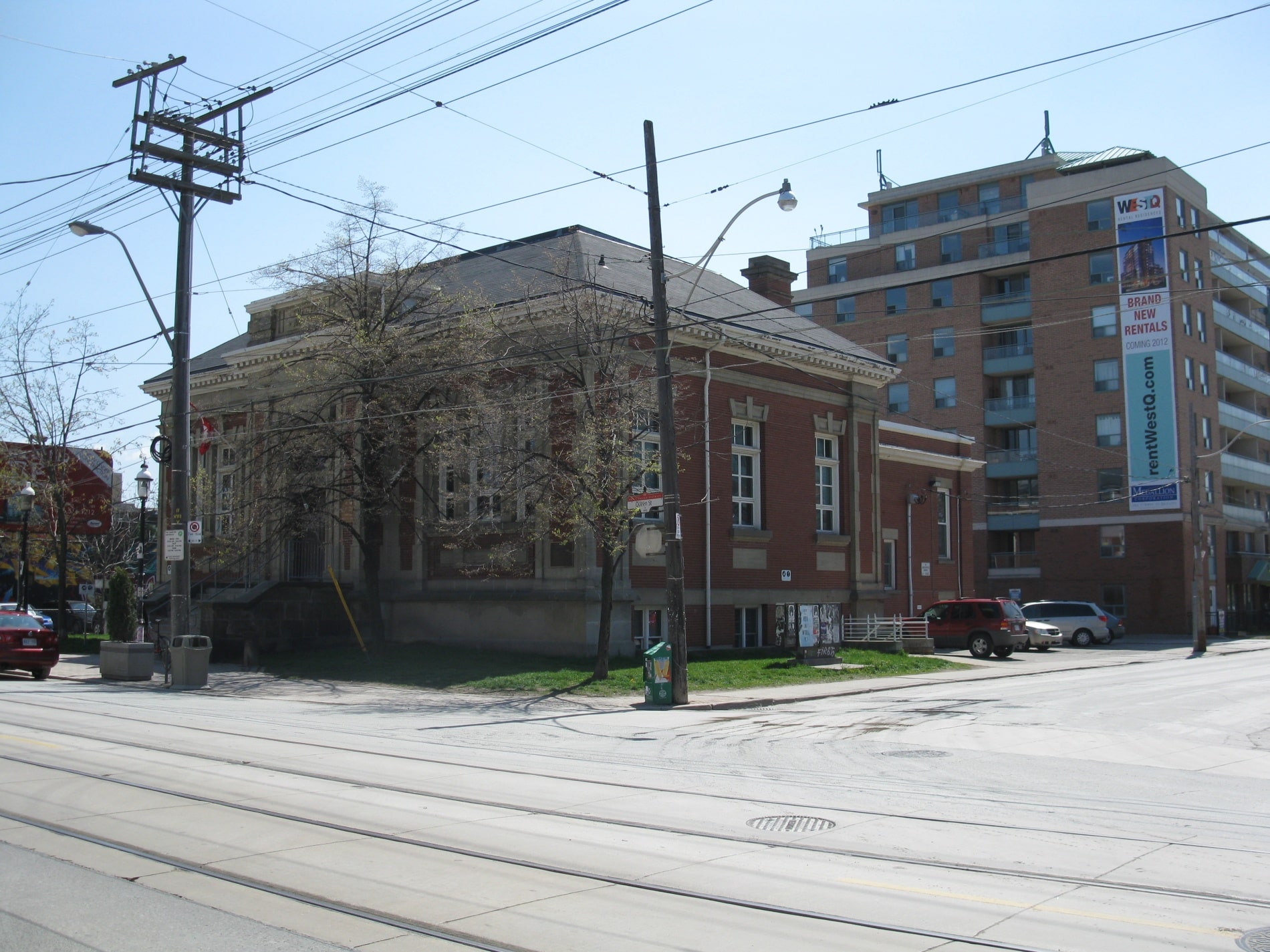
GBCA is recognized for our creative and sensitive solutions that revitalize and provide relevant and sustained uses for our heritage resources. We are dedicated to helping achieve a society that values the reuse of existing buildings. Many of GBCA’s core values and fundamental practices are akin to those now embraced by the green design movement and the circular economy.
Our contribution to projects always begins with an understanding of what the heritage site has to offer and where the programmatic shortcomings are. Whether a former train station becoming a liquor store, a former residential building becoming a health care hospice, or a former jail becoming an archive, GBCA’s understanding of the sensitivities of each heritage building leads to successful new lives for buildings that need a new use.
GBCA has attained a unique reputation for our understanding of contemporary designs that successfully integrate old and new. We provide comprehensive services that include schematic design, design development, construction drawings, and contract administration.
Specialist Services
FAQs
What is adaptive reuse?
Adaptive reuse is the process of giving an existing building a new purpose instead of tearing it down and starting over. It could mean turning an old factory into offices, converting a church into a community space, or transforming a historic commercial building into housing or retail. By working with what's already there, adaptive reuse preserves a building's character while allowing it to meet today's needs.
What kinds of buildings can be adapted?
Almost any building can be considered for adaptive reuse, provided it's structurally sound. We've seen everything from heritage buildings and schools to warehouses, office buildings, industrial facilities, and commercial spaces successfully repurposed. Every building is different, so the first step is understanding what's possible based on its condition, location, and intended future use.
Why choose adaptive reuse instead of building new?
There are plenty of reasons. Reusing an existing building is often more sustainable because it reduces demolition waste and makes use of materials that are already in place. It also helps preserve the character and history of a community. In many cases, adaptive reuse can also be a practical financial decision, especially when the existing structure is in good condition.
"We believe that the greenest building is the one that is already built." - Chris Borgal.
Can heritage buildings be adapted for modern use?
Yes. In fact, many heritage buildings are excellent candidates for adaptive reuse. The goal is to preserve the architectural features that give the building its character while making it functional for today's occupants. That might include accessibility improvements, upgraded mechanical systems, or changes to support a new use—all while respecting the building's heritage value.
Is Adaptive Reuse More Affordable Than New Construction?
It depends on the building. Some projects require structural repairs or significant upgrades, while others can make use of much of the existing construction. A feasibility study (e.g. CHER, HIA) is usually the best place to start, as it helps identify potential costs, challenges, and opportunities before the design process begins.
How Long Does An Adaptive Reuse Project Take?
Every project is different. The timeline depends on the size of the building, the complexity of the work, and whether planning or heritage approvals are required. Smaller projects may move relatively quickly, while larger or more complex buildings can take longer. Careful planning early in the process helps keep projects on track.
What Approvals Are Needed For An Adaptive Reuse Project?
Nearlly all projects require building permits and must comply with local by-laws and the Ontario Building Code. If the building is listed, or has heritage designation, additional approvals may also be required. Navigating these approvals can be one of the more complex parts of a project, which is why it's helpful to involve an experienced architectural team from the beginning. It is a dialogue as well as a process.
Is Adaptive Reuse More Environmentally Friendly?
Yes. One of the biggest benefits of adaptive reuse is that it makes use of existing buildings instead of replacing them. This reduces landfill waste, lowers the demand for new materials, and often results in a smaller environmental footprint. Many projects also include energy-efficient upgrades that improve long-term building performance. An added motivation are green building grants and we can assist you.
What Challenges Can Come Up During An Adaptive Reuse Project?
Working with an existing building often means uncovering surprises. Older structures may have hidden structural issues, outdated building systems, or materials that need to be safely removed or salvaged. The key is identifying these challenges early so they can be addressed before construction begins.
How Do You Know If A Building Is A Good Candidate For Adaptive Reuse?
It starts with understanding the building itself. We look at its structural condition, how it's currently used, zoning requirements, heritage considerations, and what you - the client - hope to achieve. From there, we can determine whether adapting the building is the right approach.
Why Work With An Architect Who Specializes In Adaptive Reuse?
Adaptive reuse projects are rarely straightforward. They require balancing the building's existing character with provincial building codes, Standards and Guidelines for the Conservation of Historic Places in Canada when applicable, and the needs of the end-users. An architect with experience in adaptive reuse can help identify opportunities, mitigate challenges before they become costly, and guide the project through all phases, from the initial assessment through construction.